Inspection
Boiler and Furnace Inspection
A structured check of your boiler or furnace: how it is operating, what condition it is in and what maintenance it needs.
Overview
What an inspection tells you
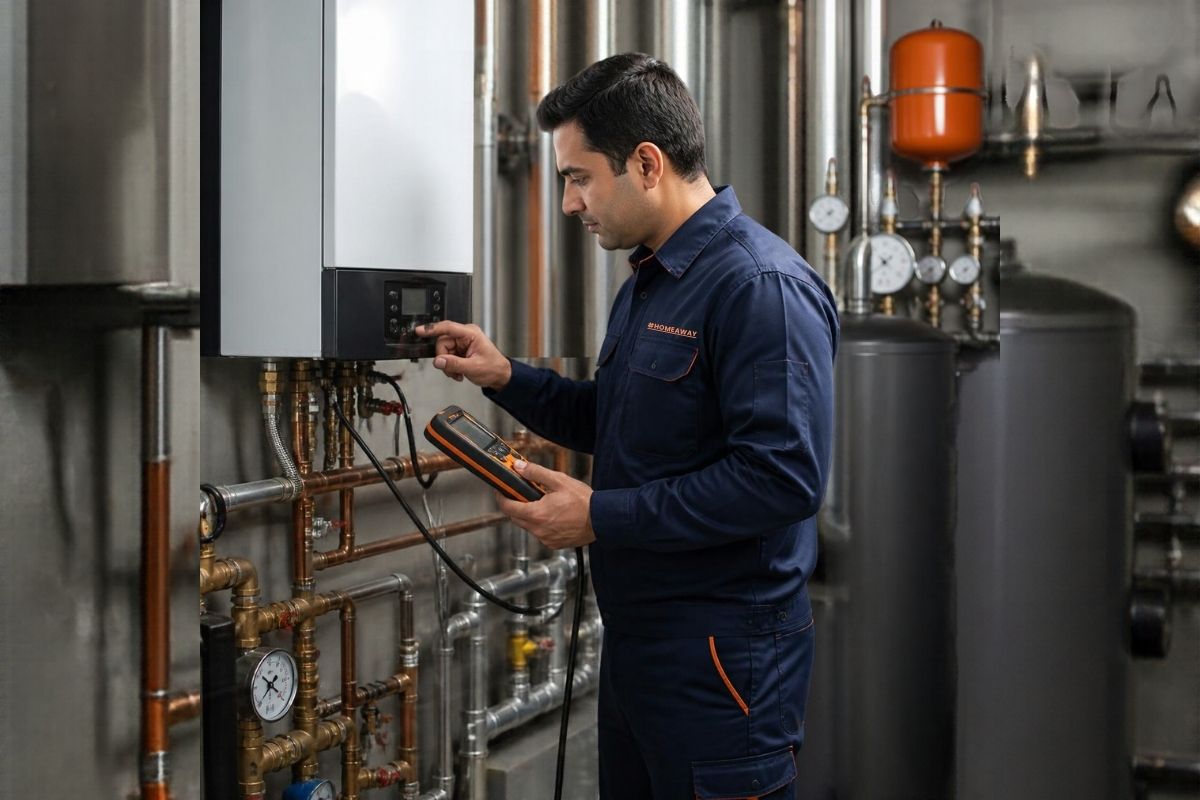
The boiler or furnace is the heart of a central heating system. When something is wrong, it usually shows as poor heating, frequent shutdowns, unusual noises or the system struggling to reach temperature. An inspection gives you a structured look at the unit and its connected components so you know where things stand.
We check how the equipment operates, assess its physical condition and look at how well it is performing against what the building needs. You get a clear explanation of what we found and a prioritised list of recommended maintenance, so you can decide what to do next.
An inspection records the condition and operation of the equipment at the time of the visit. It is not a guarantee of future performance and is not a compliance certificate.
What's included
What we check
Our inspection covers the equipment itself and how it is working within your system.
Boiler inspection
A check of the boiler and its key components, controls and connections.
Furnace inspection
A check of the furnace, its burner and associated equipment.
Operational checks
Start-up, operation and shutdown, with temperature and pressure readings.
Equipment condition assessment
Visible wear, corrosion, leaks and the condition of accessible components.
Performance-related checks
How well the unit is meeting the heating demand of the building.
Maintenance recommendations
What needs attention now, what can be planned, and what is in good order.
Our process
How an inspection works
Book an inspection
Share the make, model and age of the equipment if you know them.
On-site inspection
We carry out operational, condition and performance checks.
Findings explained
We walk you through what we found.
Recommendations
You get prioritised recommendations and, if needed, a quotation for the work.
Applications
When to book an inspection
An inspection is useful whenever you need a clear view of your equipment's condition.
- Before the heating season begins
- After the system has been out of use for a long period
- When buying or moving into a property with an existing system
- When the boiler or furnace is behaving unusually
- When deciding between repair and replacement
What you gain
- A clear picture of the equipment's condition
- Issues identified early, before they cause a breakdown
- A sound basis for deciding between repair and replacement
- A prioritised list rather than a vague list of problems
Our work
Related projects
FAQs
Questions about boiler and furnace inspection
Common questions about this service. If yours isn't answered here, ask our team.
01What is the difference between an inspection and a service?
An inspection assesses and reports on the equipment. A service carries out cleaning and adjustments. Many customers book both together; our maintenance and servicing page explains what a service covers.
02Do you inspect both boilers and furnaces?
Yes. We inspect boilers and furnaces used for central heating. Let us know the type of equipment when you enquire.
03Can you carry out the recommended work?
Yes. If the inspection identifies work that is needed, we can quote for it. You decide whether to go ahead.
04How should I prepare for an inspection?
Make sure we can reach the boiler or furnace and the main controls. If you have manuals or previous service records, keep them handy.
05Does an old boiler always need replacing?
Not necessarily. Age alone is not a reason to replace equipment. An inspection shows its condition and performance, so you can compare the cost of repairs with replacement.
See our work
Our team on site
See the heating equipment and systems our team works on. More videos are on our YouTube channel.
Visit our YouTube channel (opens in a new tab)Customer feedback
What our customers say
Related services
Other services you may need
Discuss your inspection with our team
Send us your requirements and we will reply on WhatsApp with next steps.